
ʻĀinakūkoʻa
Restoring the living system from mauka to makai. Waiohuli Kai is the primary home of our community-driven stewardship.
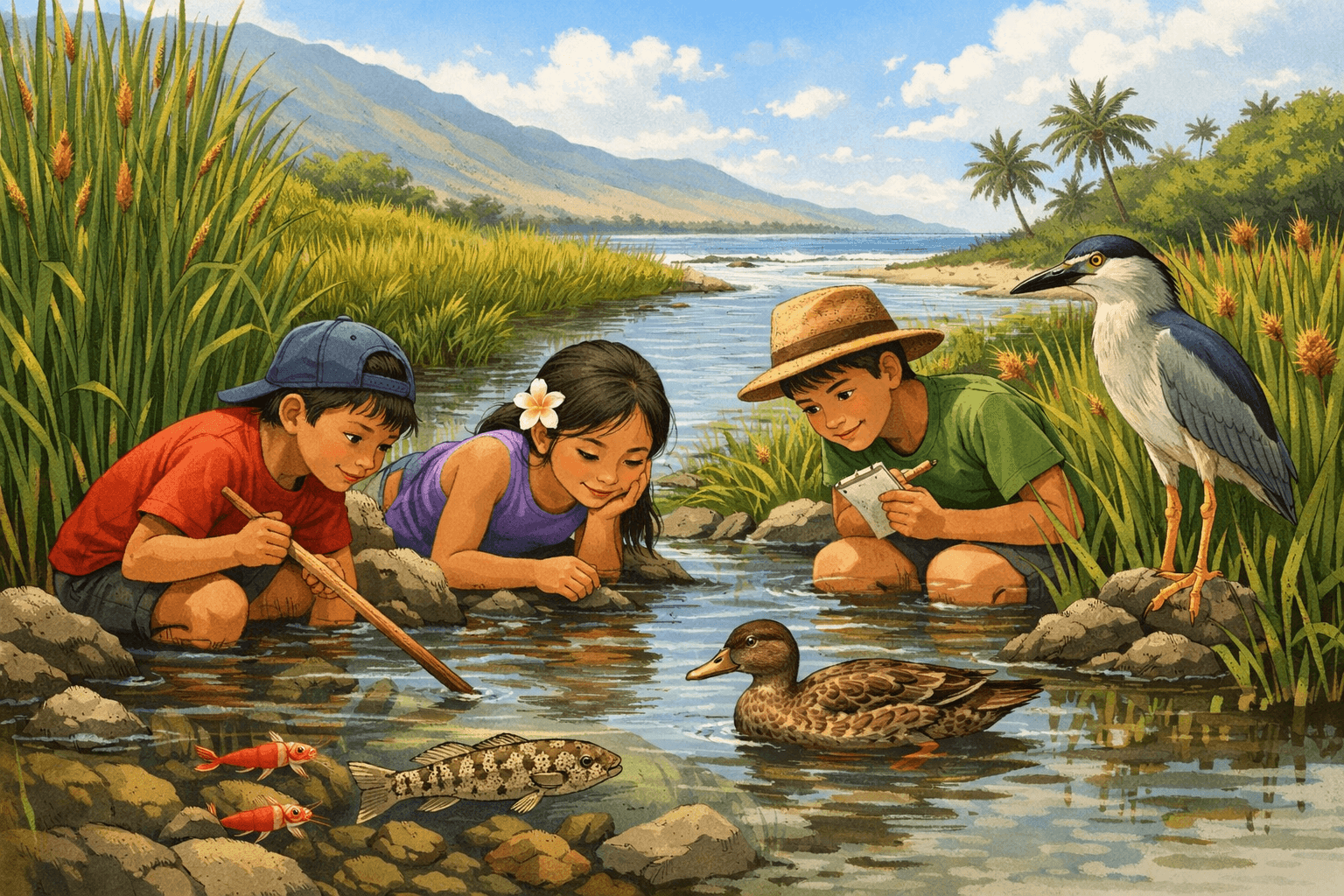
Immersive Education
Creating hands-on educational experiences for the next generation of stewards.
Rigorous Science
Collecting impressive scientific data to measure and guide our restoration of the wetland site.
Living Systems
Restoring the living systems that sustain us through culture, science, and community.
Place-Based Restoration
Guided by Kilo, scientific observation, cultural practice, and community stewardship across connected lands and waters.
ʻĀinakūkoʻa
Restoring the living systems that sustain us through culture, science, and community.
A place-based restoration effort guided by Kilo, scientific observation, cultural practice, and community stewardship across connected lands and waters.
Standing in Protection of What Sustains Life.
Not Simply a Name. A Lifelong Commitment.
ʻĀinakūkoʻa holds three ideas. ʻĀina is more than land: it is that which feeds and sustains life—the mountains, forests, streams, wetlands, shoreline, reefs, ocean, sky, and all living things within them. Kū is to remain steadfast and in protection. Koʻa is our coral, our papa, our living systems.
Together, kūkoʻa means to stand steadfast in protection of our living systems. ʻĀinakūkoʻa is our commitment to stand firmly in protection of the living systems that feed and sustain life. It is not simply a name; it is a lifelong commitment. Like coral, we are strongest when we grow together—building, protecting, and sustaining the foundation that supports life.
We bring together cultural knowledge, scientific observation, and community action to care for connected landscapes from mauka (mountain) to makai (sea).
Give to ʻĀinakūkoʻa through Givebutter
Every gift goes to restoration at Waiohuli Kai: native plantings, youth workshops and long-term kilo. Givebutter handles the donation securely.
Journey from Makai to Mauka
Water moves mauka to makai, from the mountain to the sea. We read the journey the other way, starting at the reef, where everything arrives.
Ocean
Reef systems, limu beds and fisheries
Makai
Wetlands, muliwai and dunes
Kula
Infiltration zones and sediment transport
Mauka
Rainfall, cloud systems and water sources
- 🪸 Reef health
- 🌱 Limu growth
- 🐟 Fish populations
- 🌊 Coastal water quality
The Three Pillars of ʻĀinakūkoʻa
Kilo, observing, listening, and learning before acting, runs through all three.
ʻĀina / Land & Living Systems
"Caring for and restoring the health and abundance of our natural resources"We practice active care for land and water through native seed bank protection, invasive species management, dune and wetland stabilization, and cultural land management. In doing the physical work on the ground, our collective knowledge grows.
Explore Our ProgramsKaiāulu / Community
"Strengthening relationships, leadership, and resilience within our communities"Community is central to the work. We build lasting relationships with schools, neighbors, organizations, County partners, cultural practitioners, and volunteers through workshops, outreach, and shared stewardship.
Explore Our ProgramsHoʻonaʻauao / Education
"Cultivating ʻike, inspiring lifelong learning, and preparing future Kiaʻi"Youth education, field learning, and community workshops that teach kilo, the careful observation of land, sea, and sky, and pair it with scientific monitoring, so the next generation can read the land's response and carry the work forward.
Explore Our Programs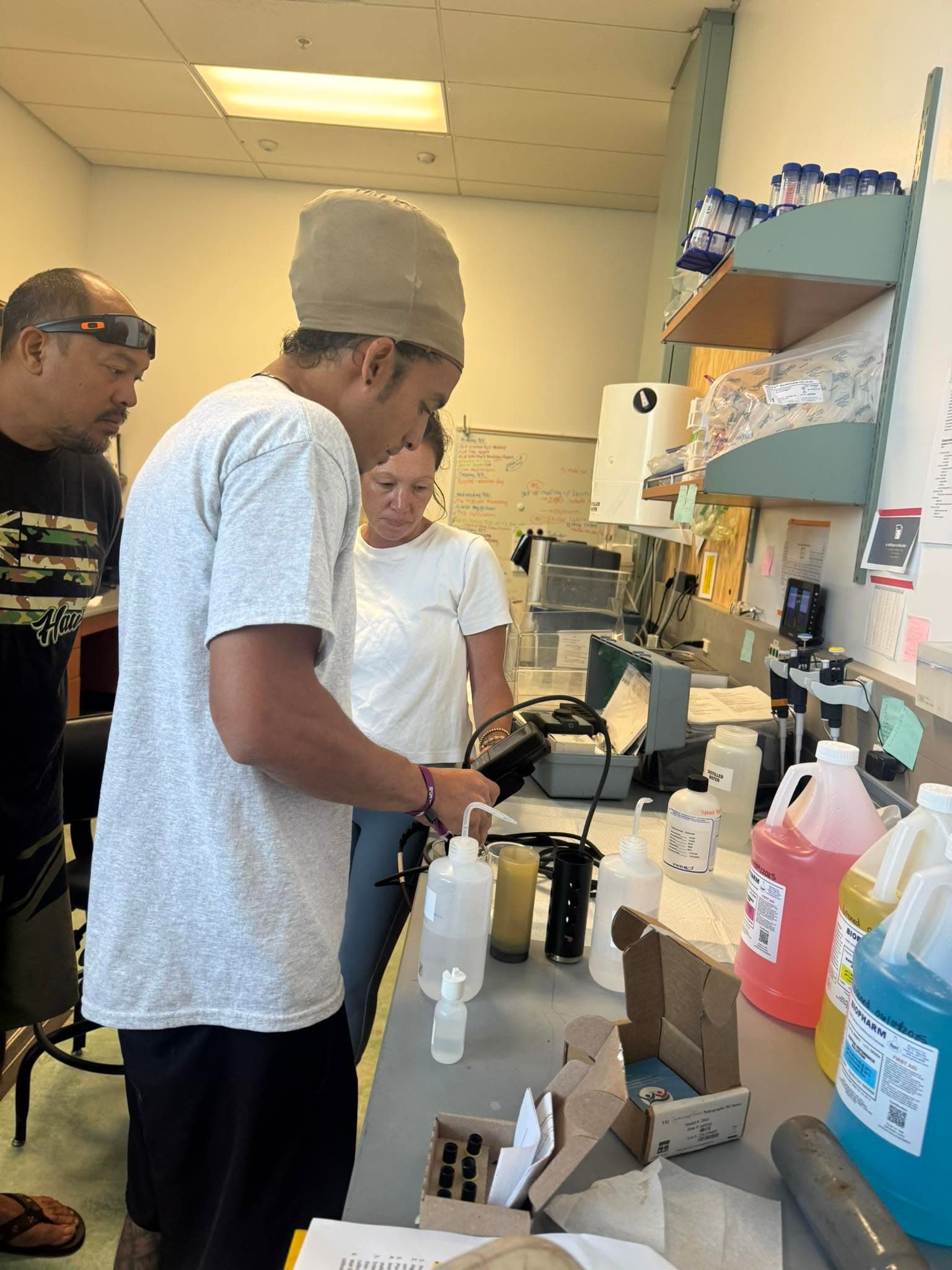
Observation is Our Guide
Kilo is more than seeing—it is feeling, listening, smelling, touching, and sensing the many signs that reveal the health and balance of ʻāina, kai, and lewa.
Through kilo, we move with the natural rhythms—the moon, tides, winds, clouds, and migrations—guiding our stewardship.
- 🌙Moon CyclesGuide tides and planting
- ☁️Wind & CloudsForetell rain and conditions
- 🐦Manu & InsectsIndicate ecological balance
- 🌿Seasonal ChangesGuide restoration timing
Observe, Act, Adapt
Our methodology is not static; it is a living system. We do not impose engineered solutions that confine or redirect water, nor do we approach restoration as conventional landscaping. Instead, our process prioritizes an active, responsive relationship with the land.
We perform tests, observe natural conditions, deploy interventions, and read the response of the ʻāina before taking our next steps. By utilizing Kilo to monitor soil moisture, plant succession, and sediment movement, we continuously update our hypotheses and refine our on-the-ground management.
The Iterative Loop

One path through the dunes keeps a hundred footsteps off the plants.
“We believe healthy communities begin with healthy relationships, and healthy relationships begin with understanding and caring for ʻāina.”
Restoring Balance. Rebuilding Relationships.
Terrestrial & Wetland
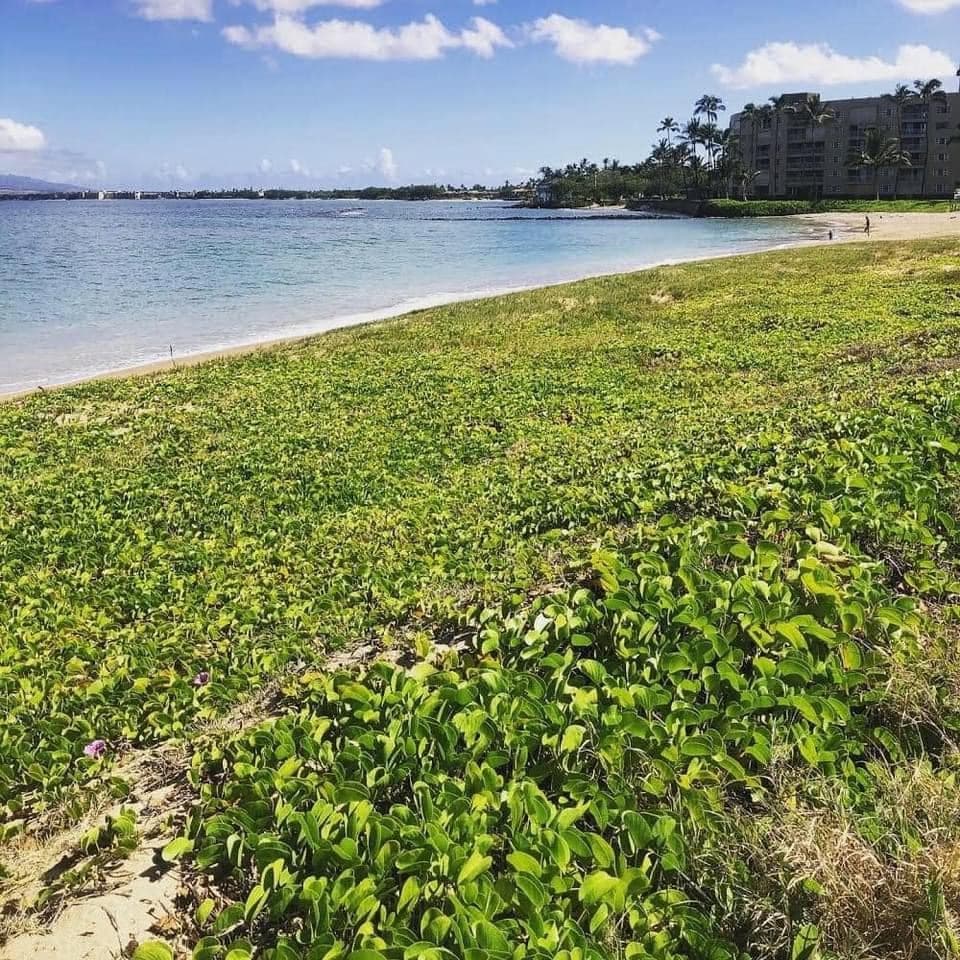
Restoring native habitats, removing invasives, and supporting natural regeneration.
Water Pathways
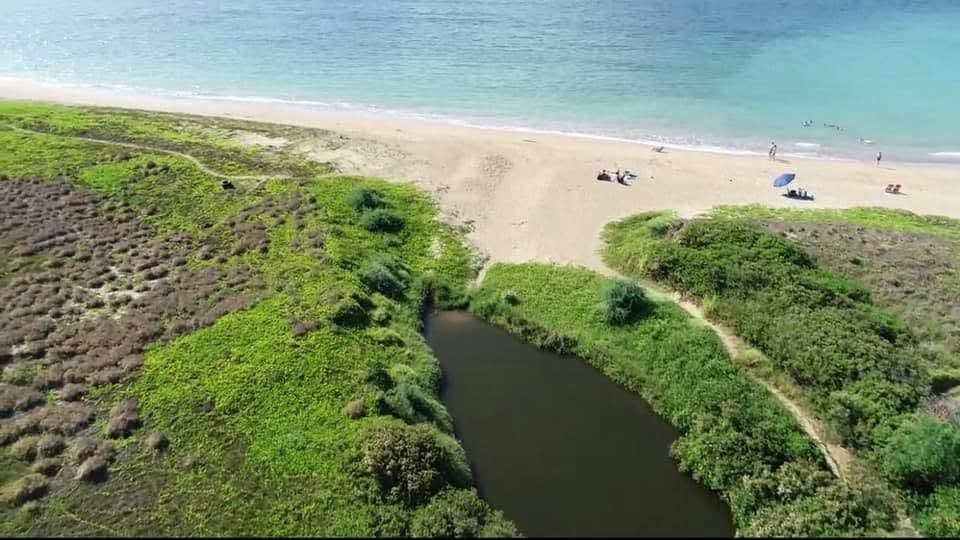
Observing, mapping, and restoring natural water movement and filtration.
Coastal & Marine
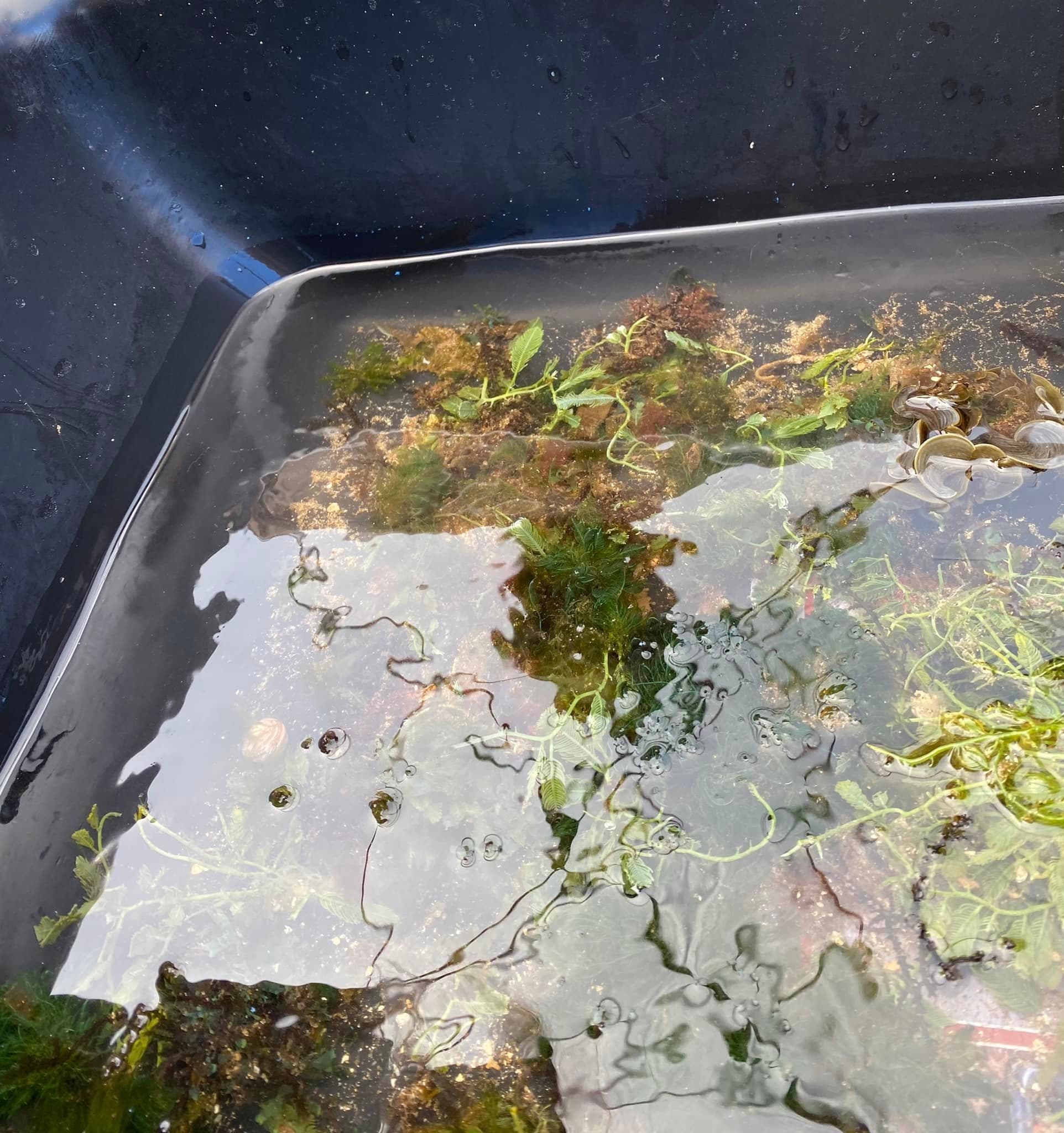
Rehabilitating reefs, limu beds, fisheries, and loko iʻa systems.
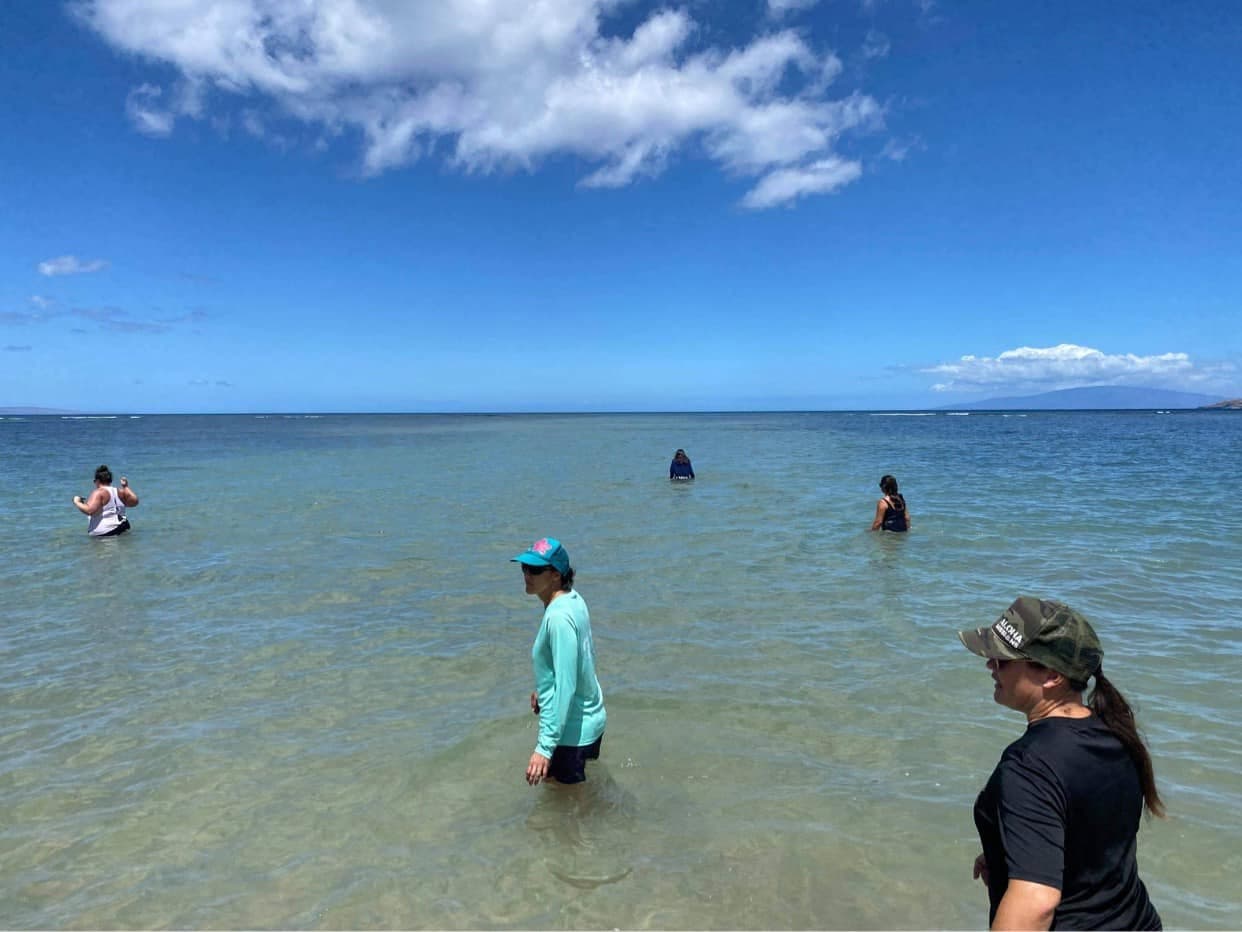
Food Systems
Reconnecting loko iʻa, supporting limu, and sustaining fisheries.
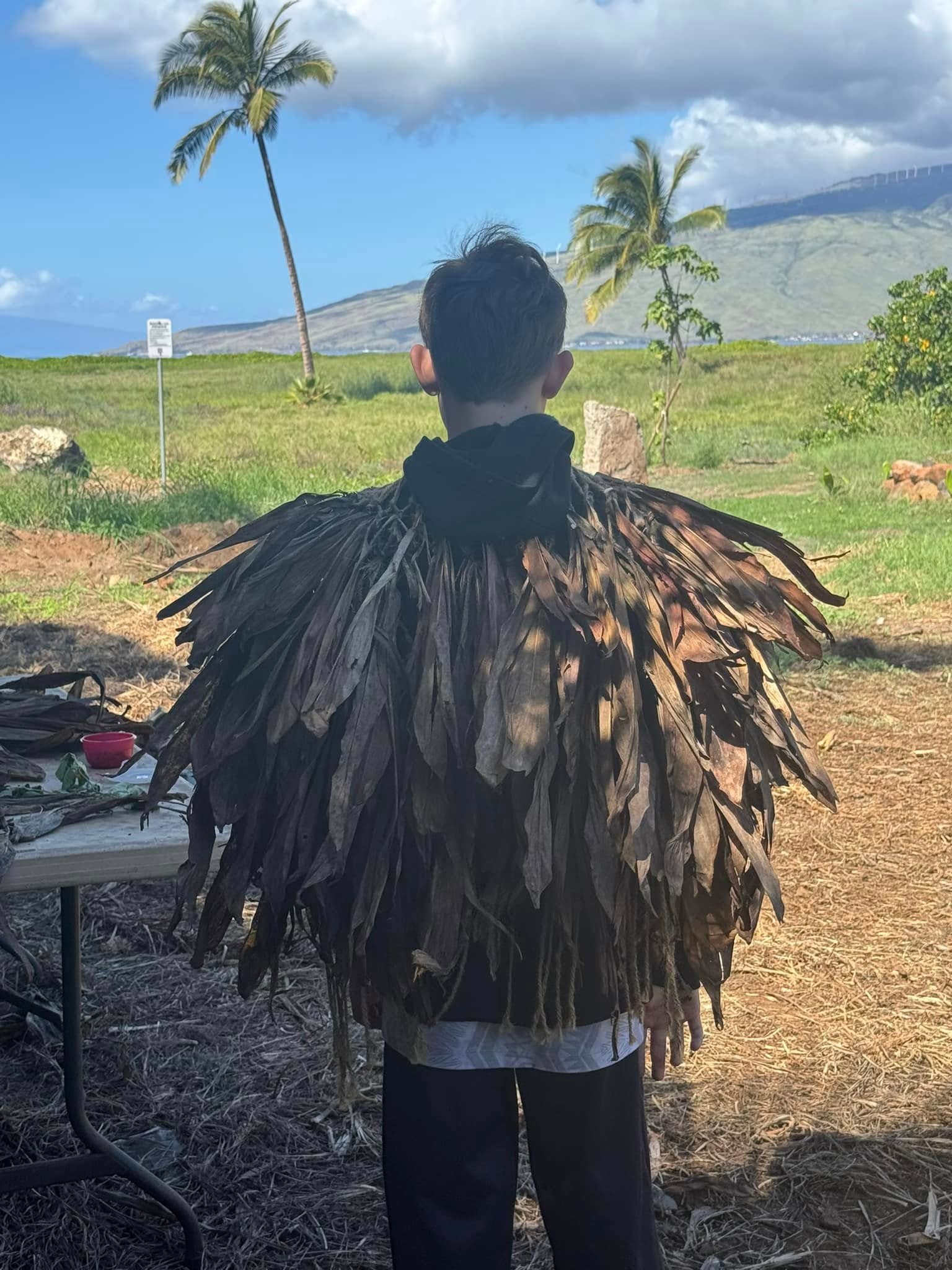
Community & Culture
Sharing knowledge, engaging youth, and inspiring the next generation.
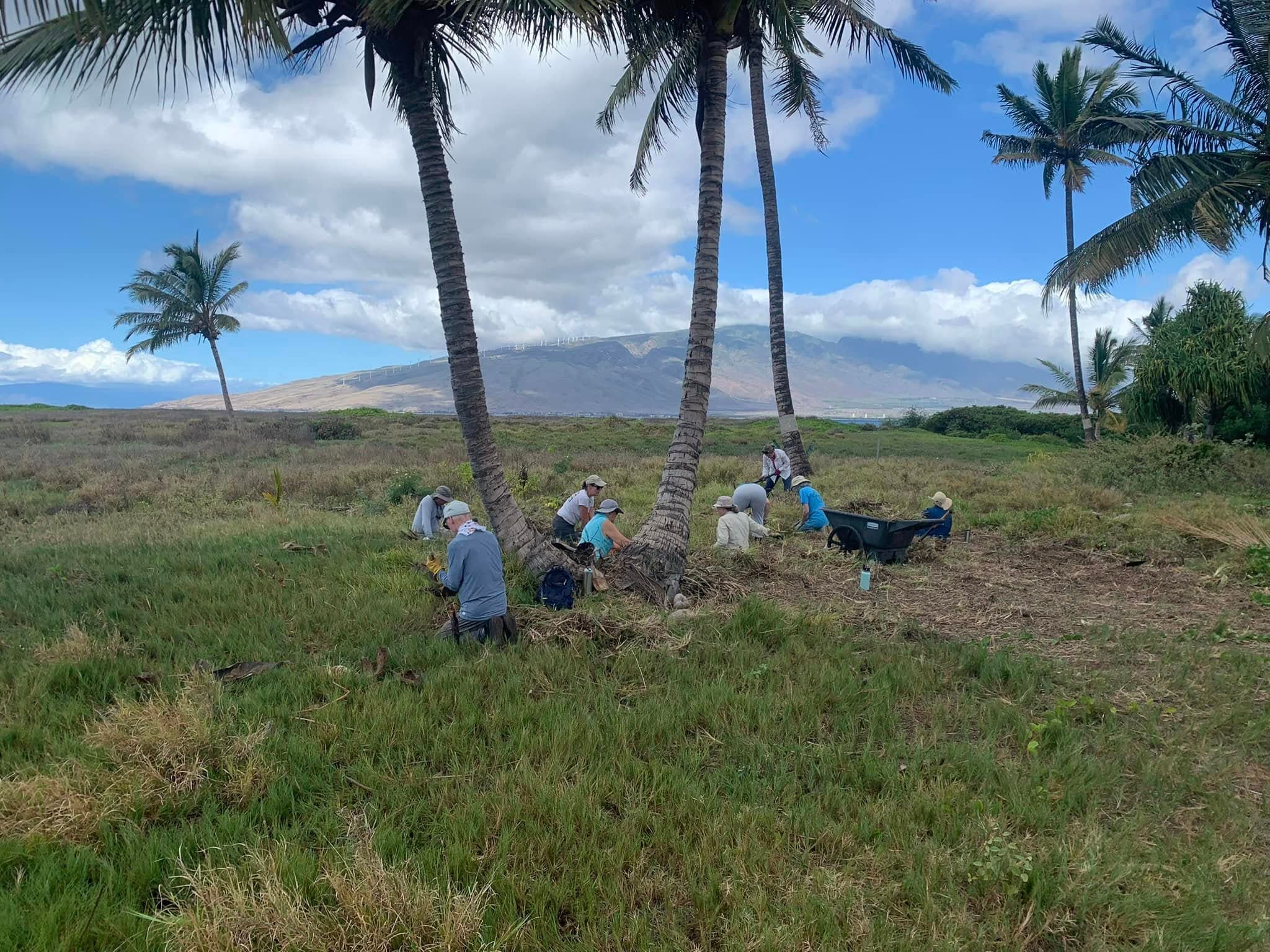
Community in Action
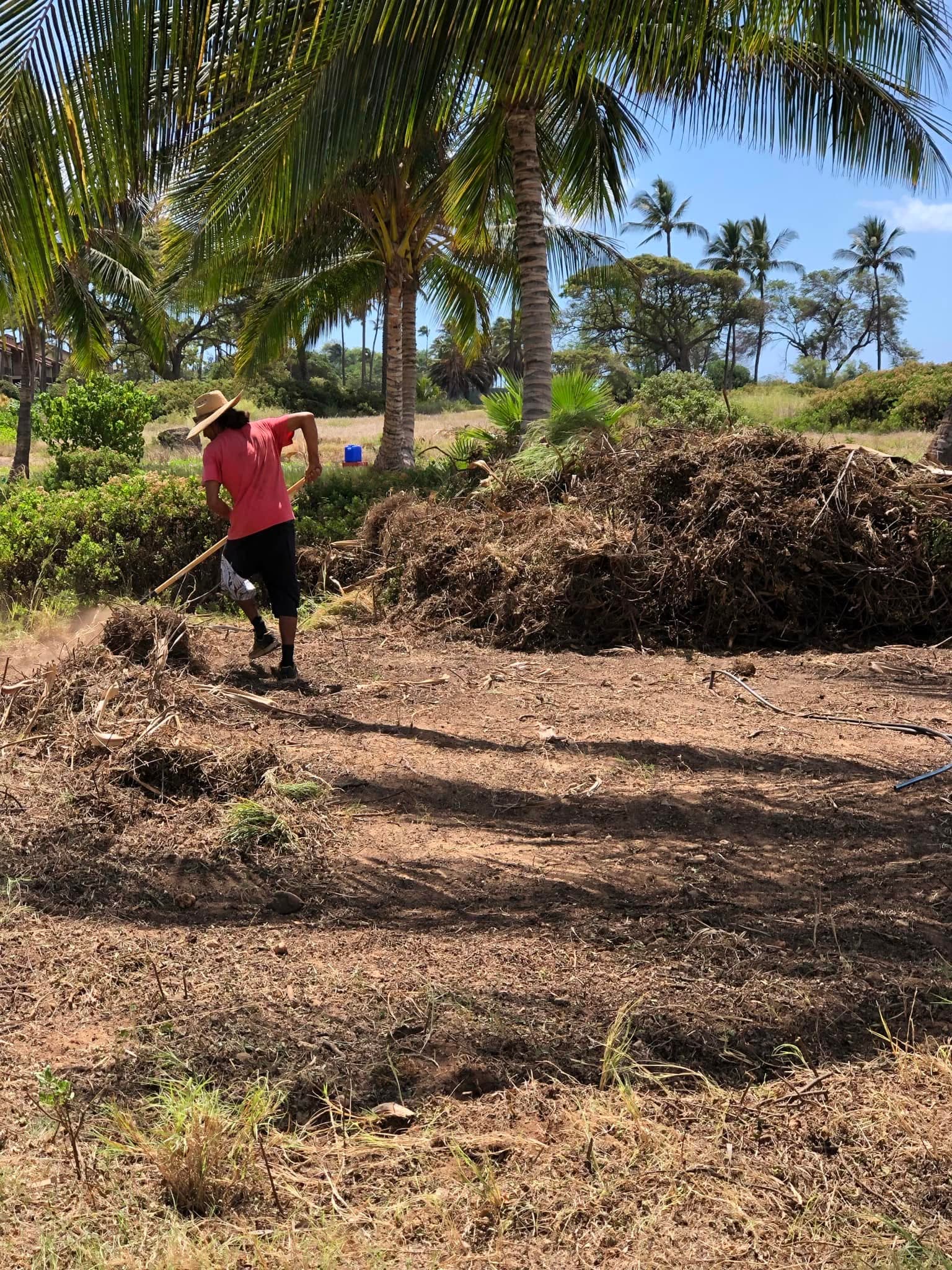
See the faces and hands doing the work on the ground across our different restoration zones.
Restoration in Action: Our Places
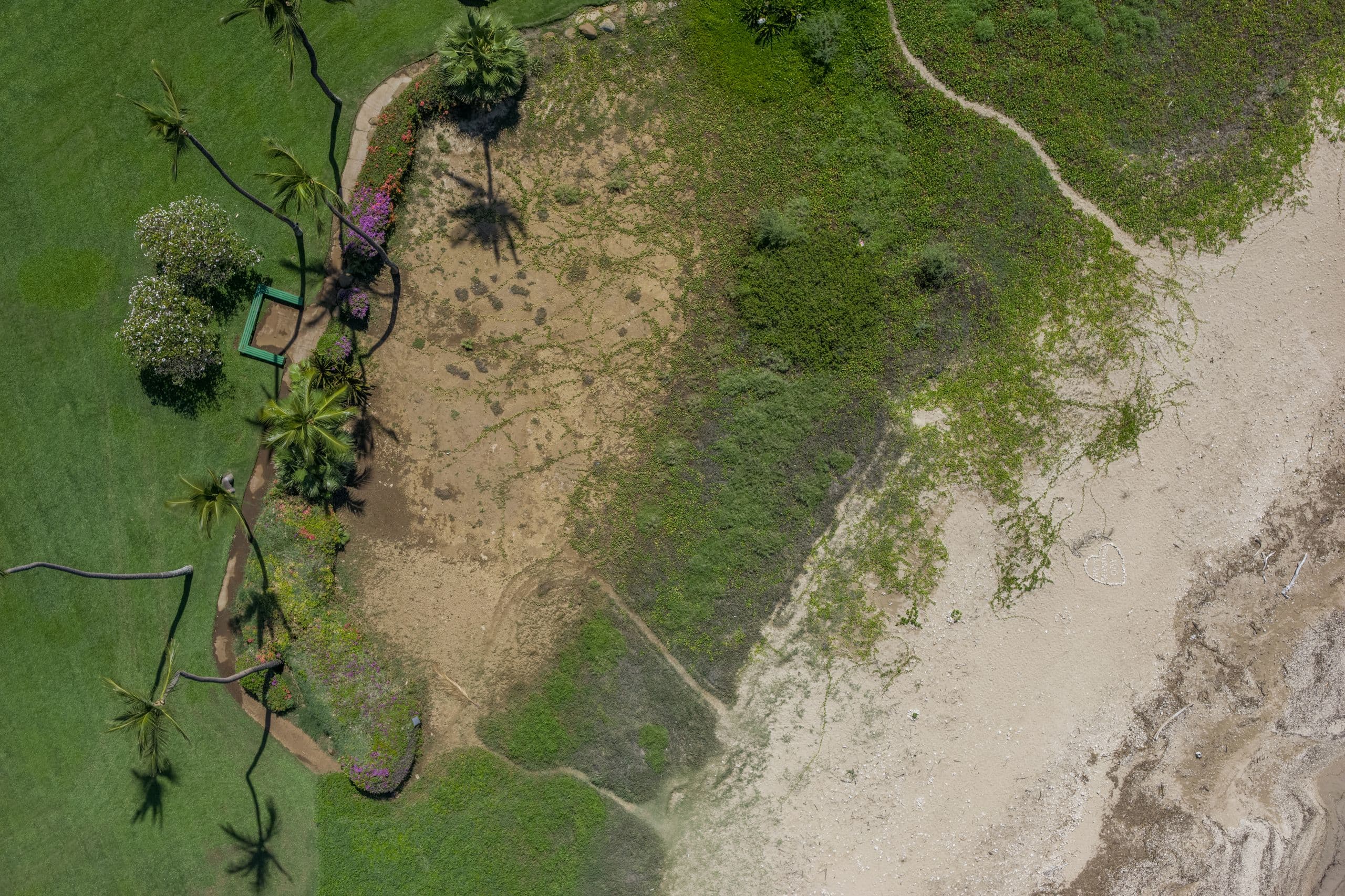
North Waiohuli (Koa Lagoon)
A vital connected wetland area within the larger Waiohuli system. Focused on sediment containment, water-filtering vegetation, and nurturing local native seed banks.
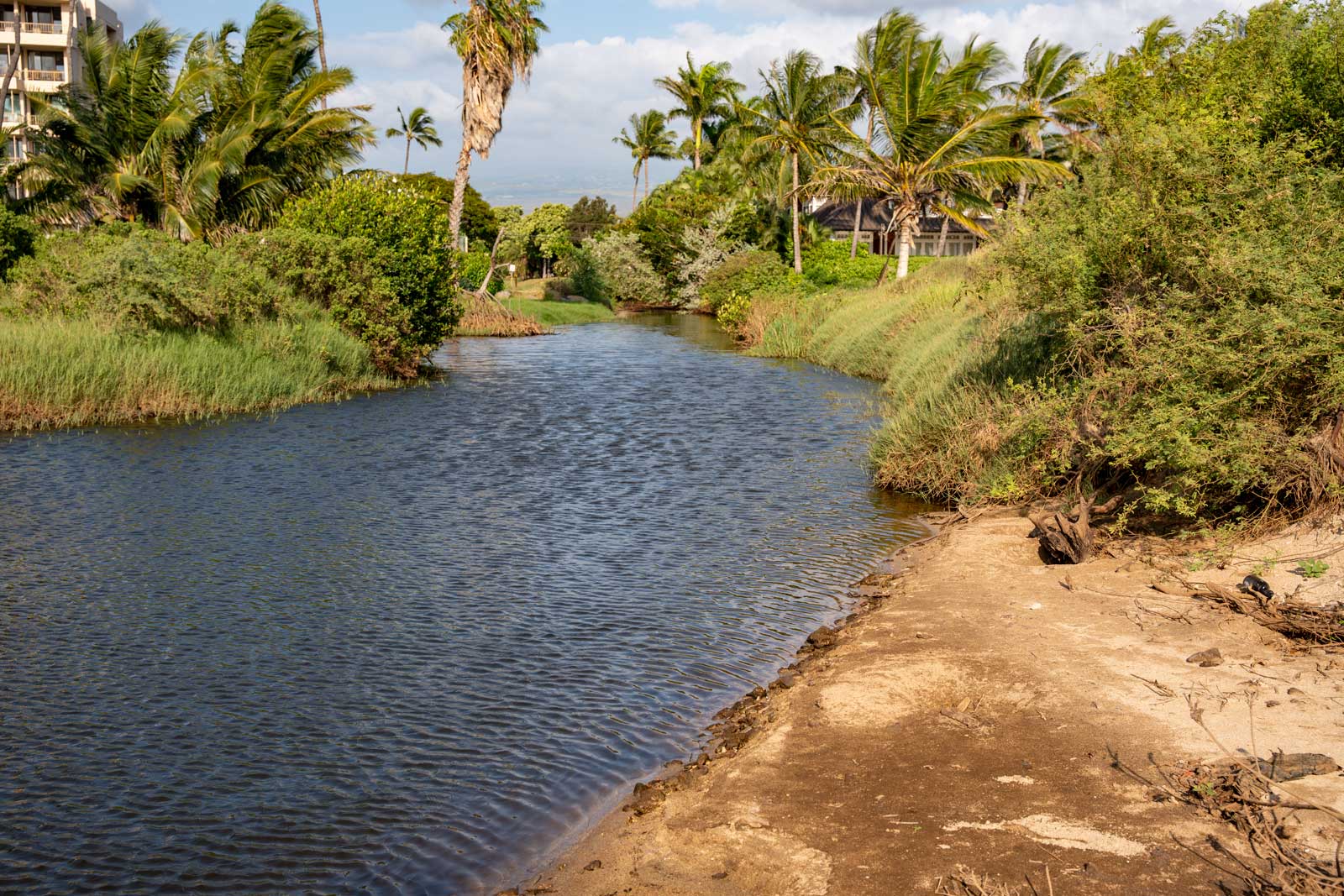
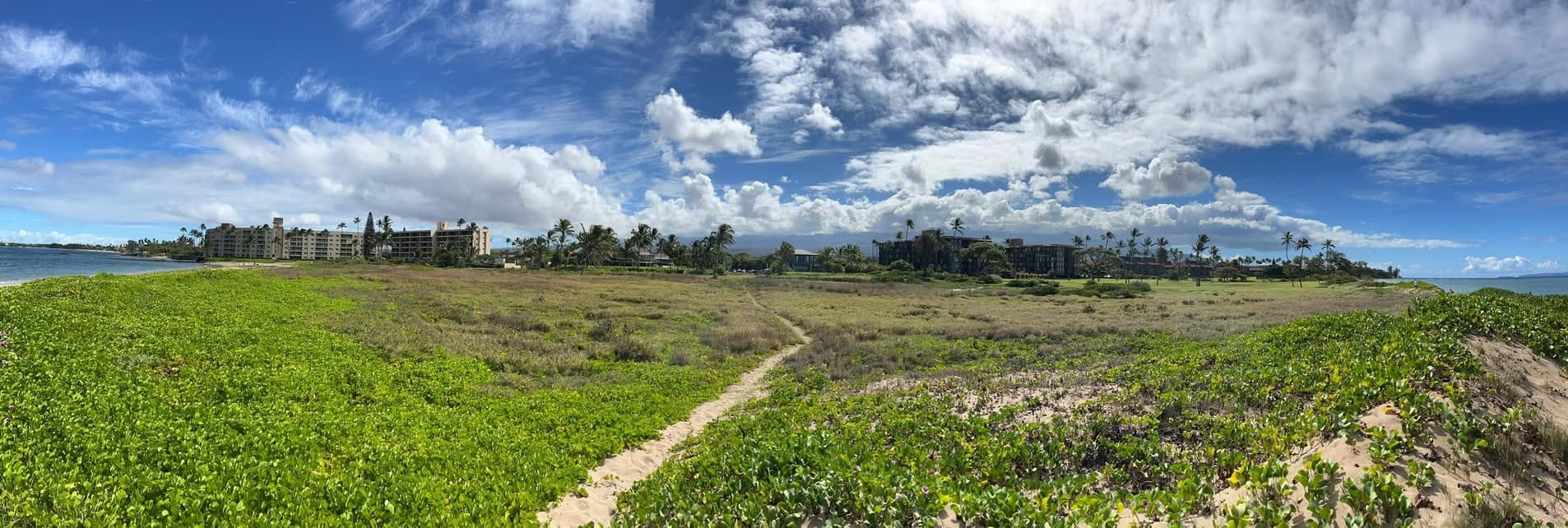
Waiohuli Kai
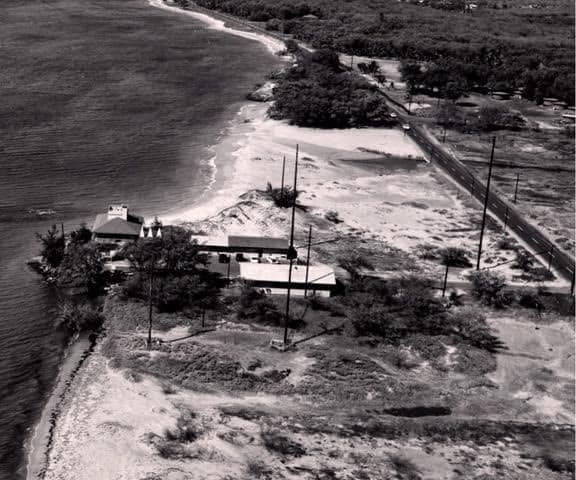
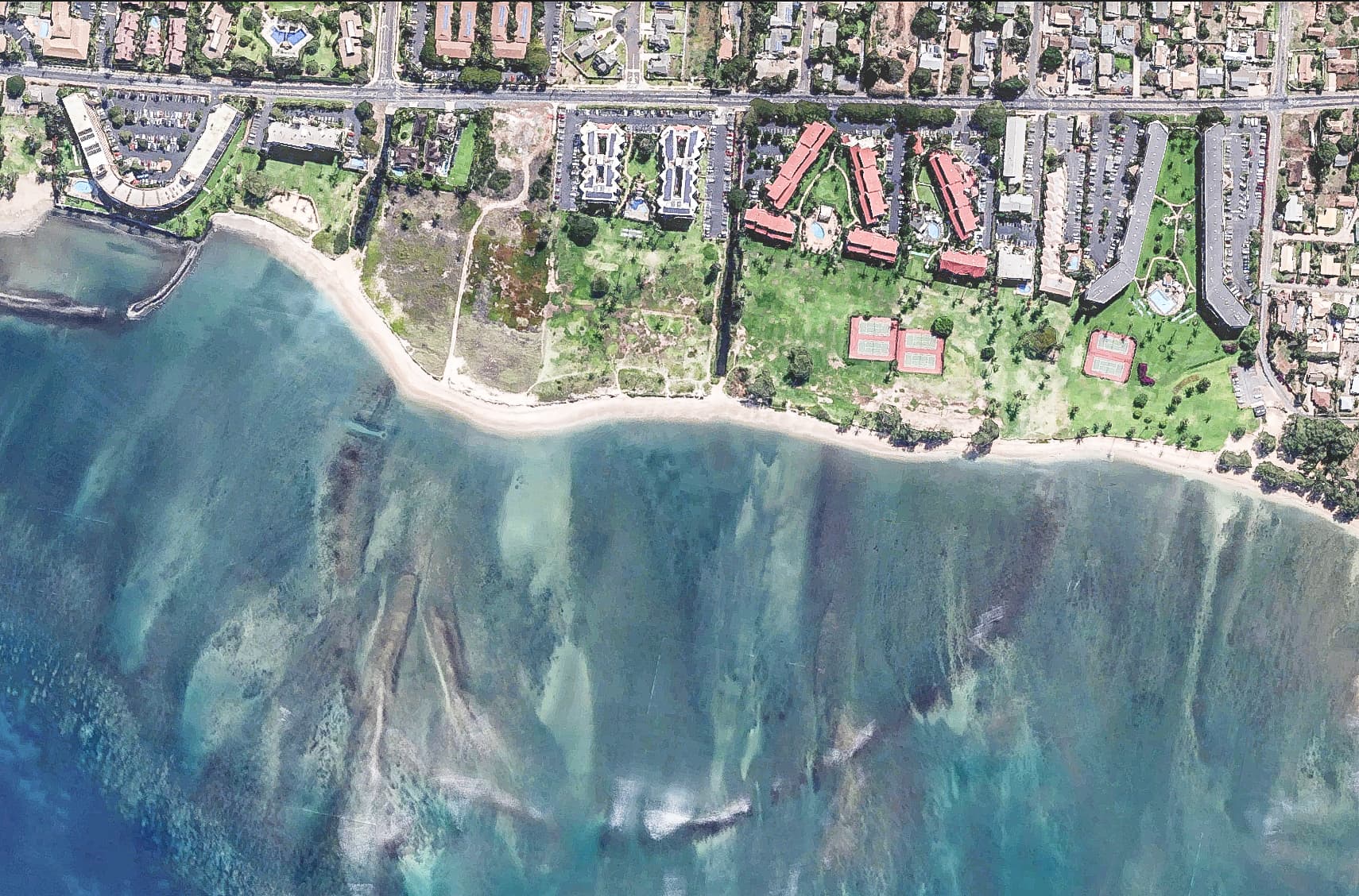
The main coastal preserve site. Home to critical native dune ecosystems, active wetland restoration, and coastal muliwai buffers that protect the reef.
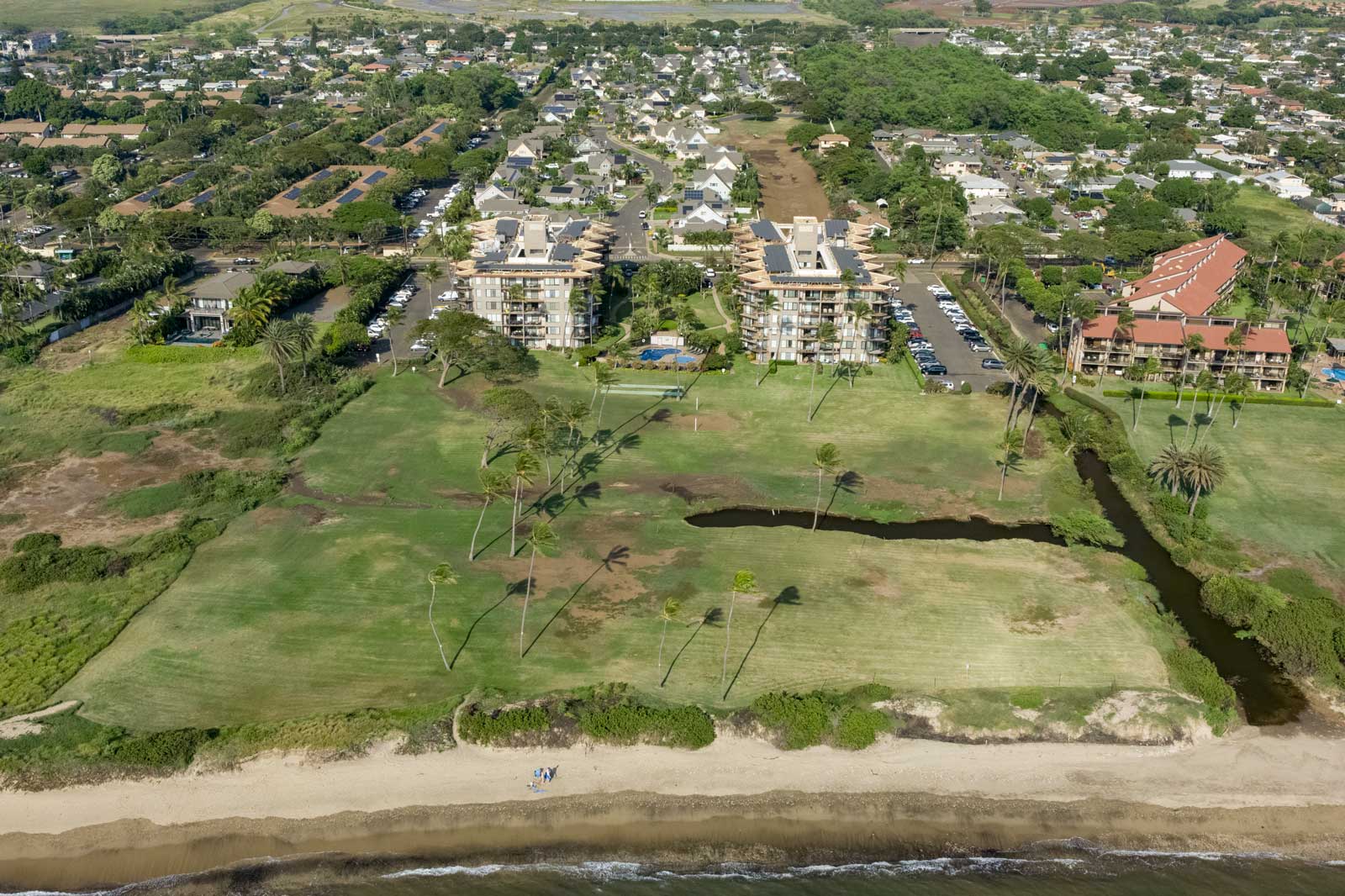
South Waiohuli Kai
An area of continued observation, sand dune stabilization, and invasive species removal to prepare the ground for natural native plant regeneration.
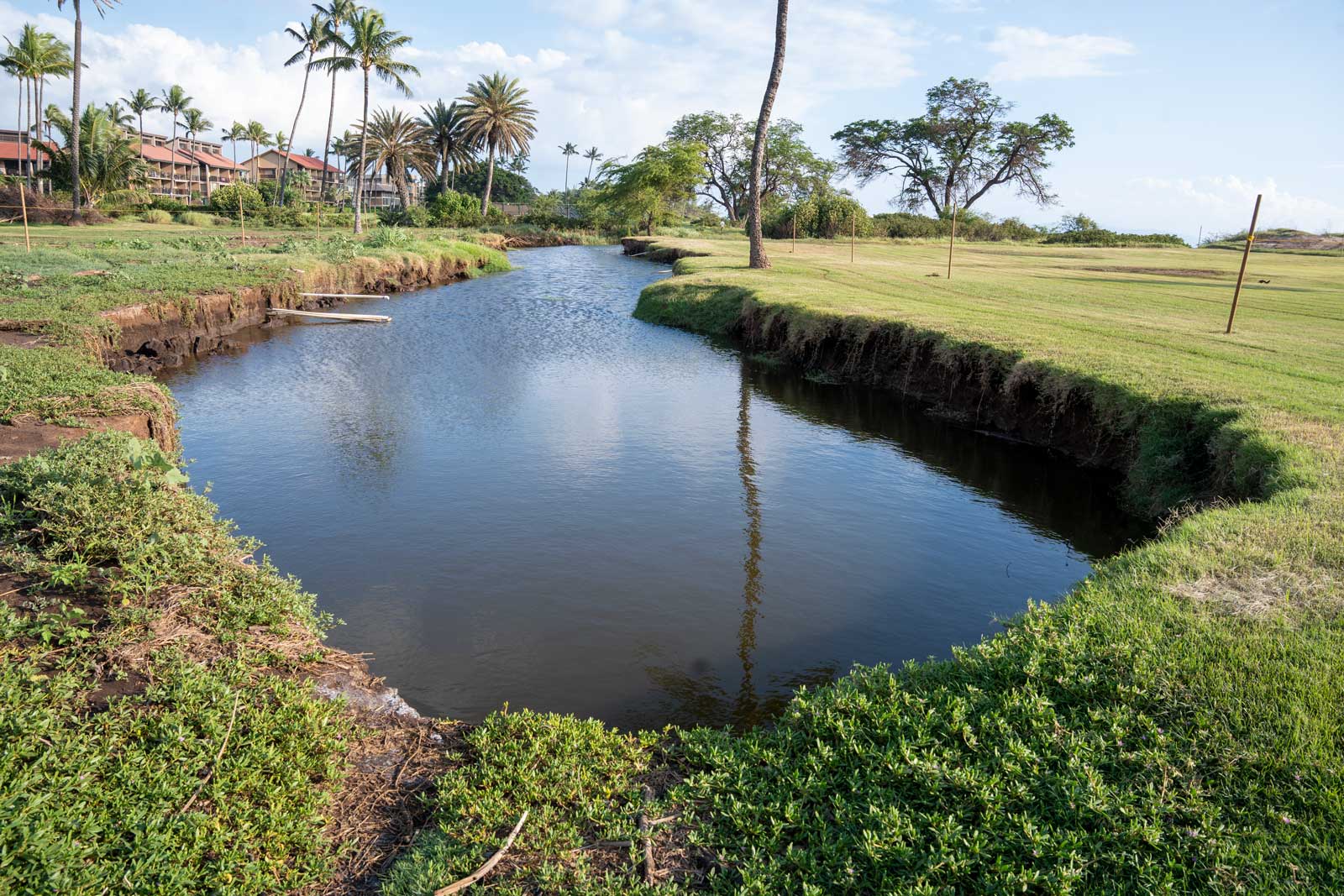
Waipuilani (Muliwai Expansion)
A connected zone supporting natural muliwai (estuary) functions. Restoring water pathways here helps absorb high-volume flows and filter sediment before it enters the ocean.
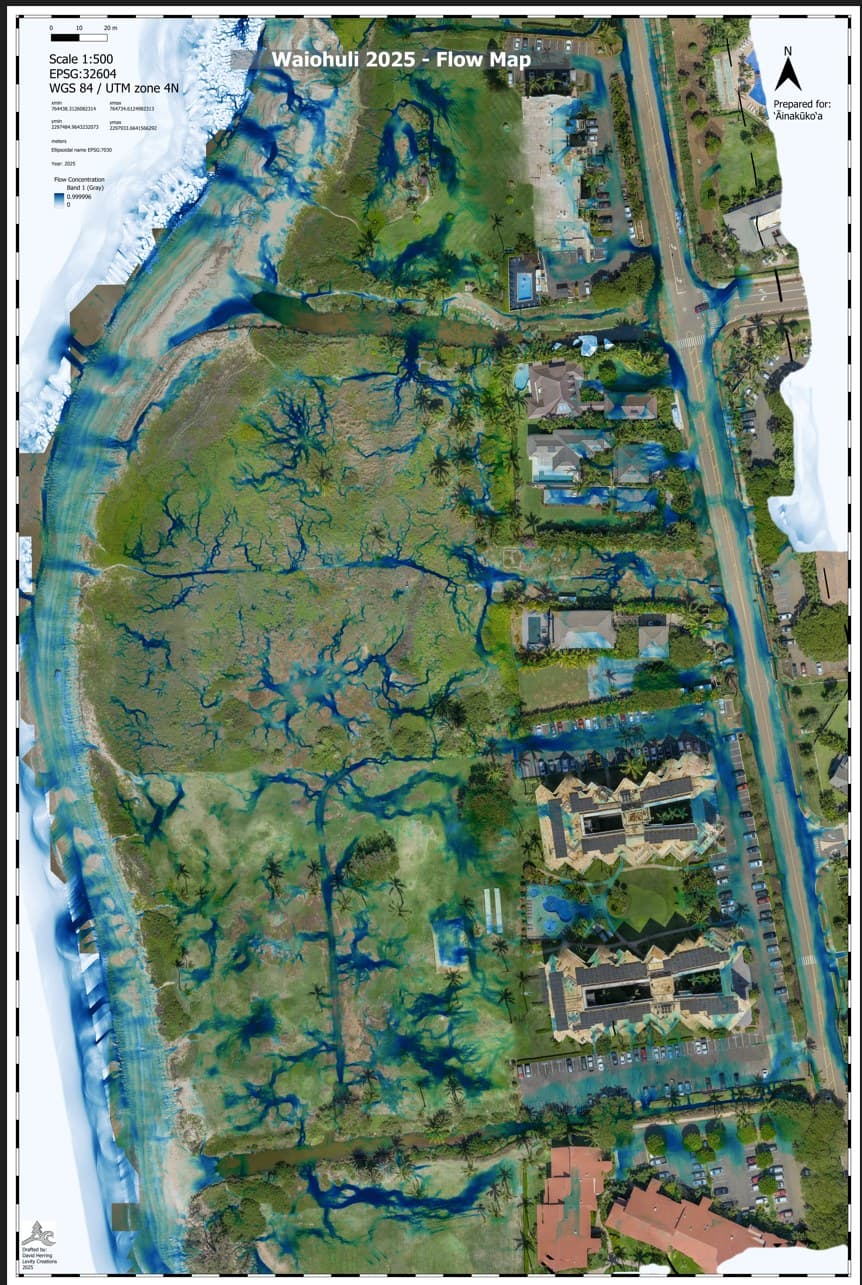
Guided by Science, Rooted in Culture
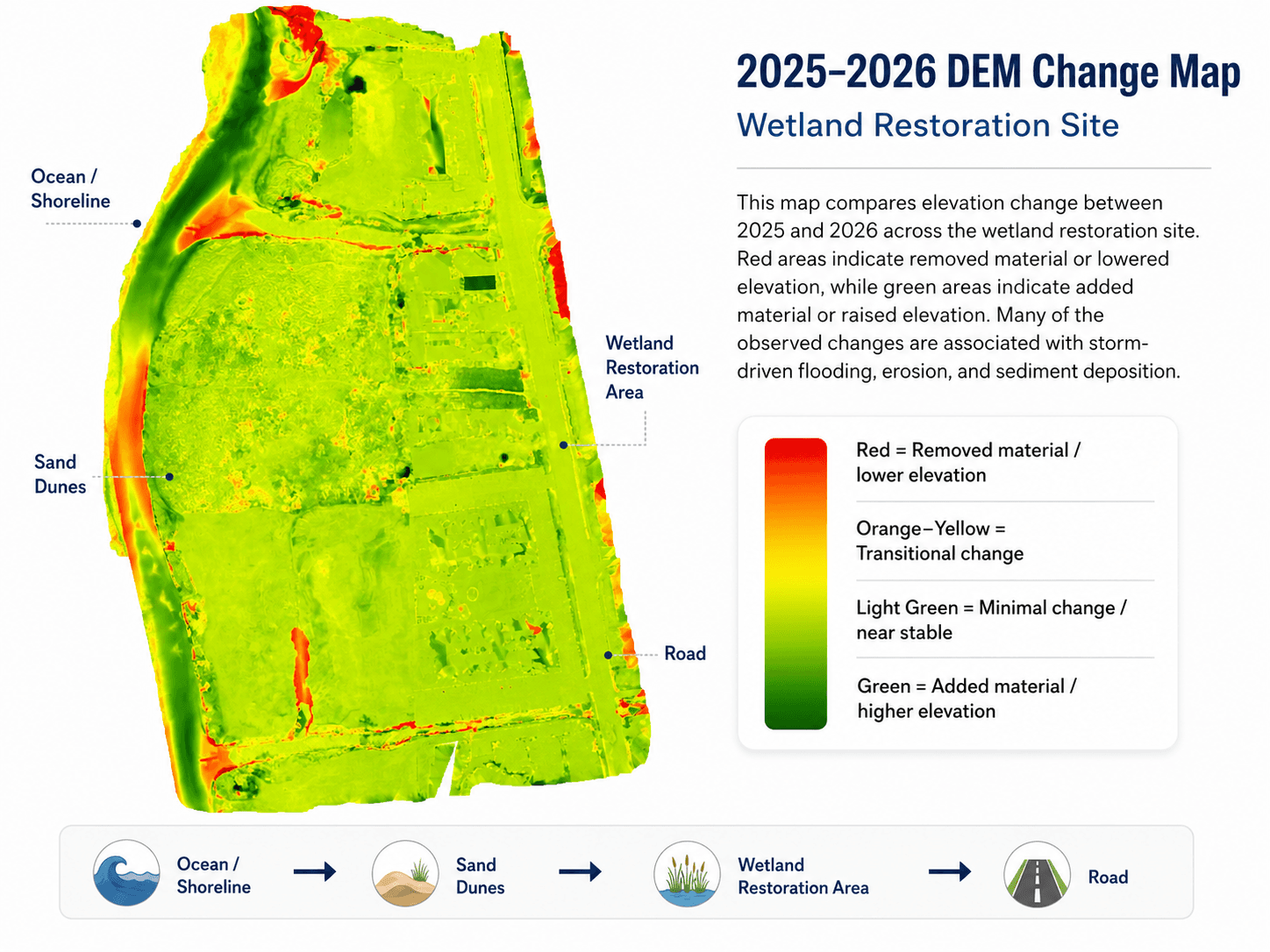
We integrate generational Hawaiian knowledge with advanced modern science. By mapping Waiohuli Kai with high-resolution LiDAR, tracking nearshore water quality, and utilizing remote aerial mapping, we can simulate water flow, capacity, and sediment transit.
These data-rich maps are not just technical files—they are decision-making tools. They teach us how water wants to move across the landscape, allowing us to build non-engineered nature-based solutions (like bank molding with sedges and native ground cover) that slow, spread, and sink water to protect South Kihei from flooding while keeping sediment off the reef.
Living Field Notes & Observations
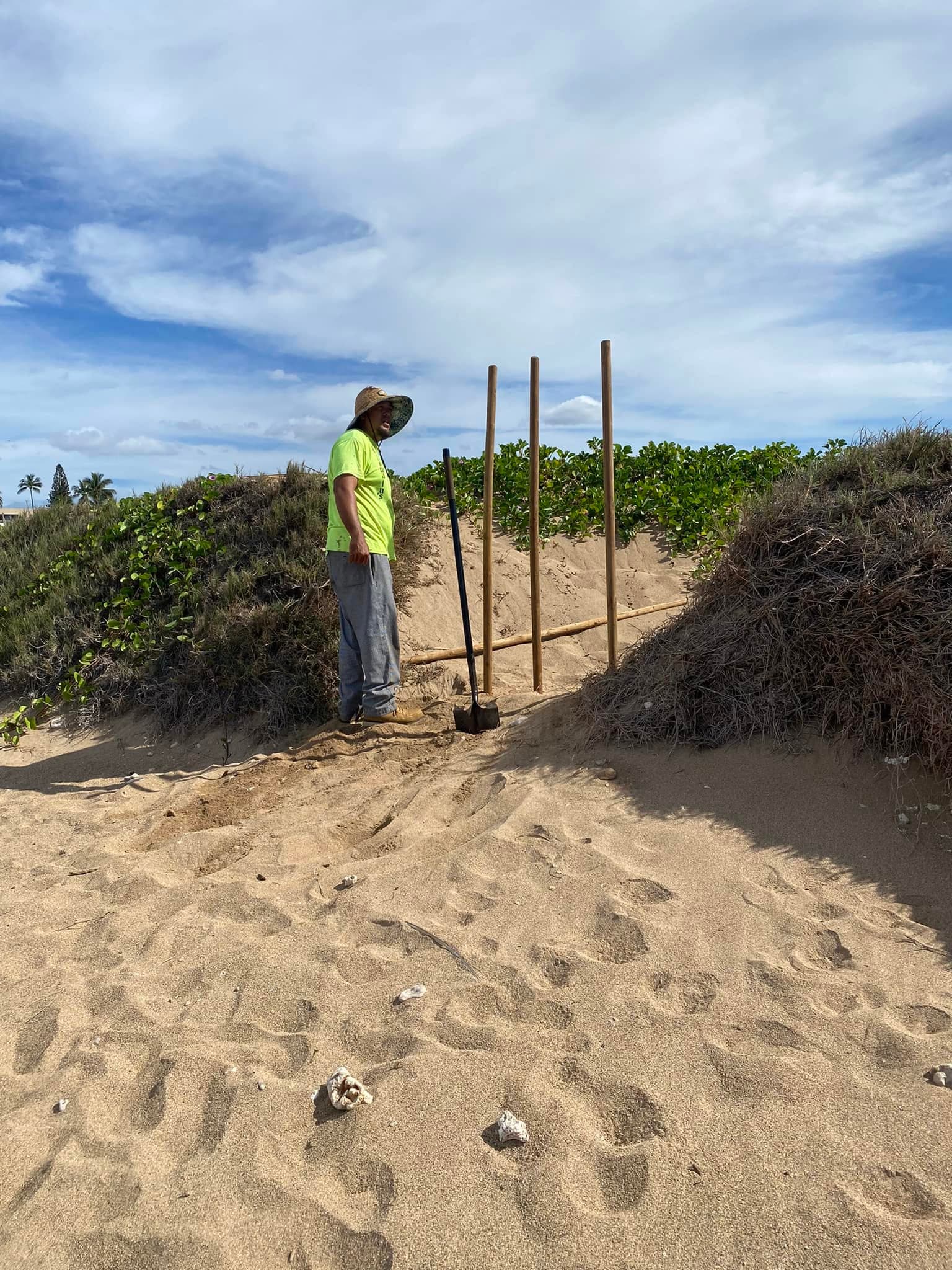
Rebuilding Dune Structures: The Power of Native Ground Cover
Following the recent high-surf event, our community observed how bank-molding with native sedges successfully prevented critical dune erosion compared to neighboring unmanaged shoreline parcels.
Read More: Rebuilding Dune Structures: The Power of Native Ground Cover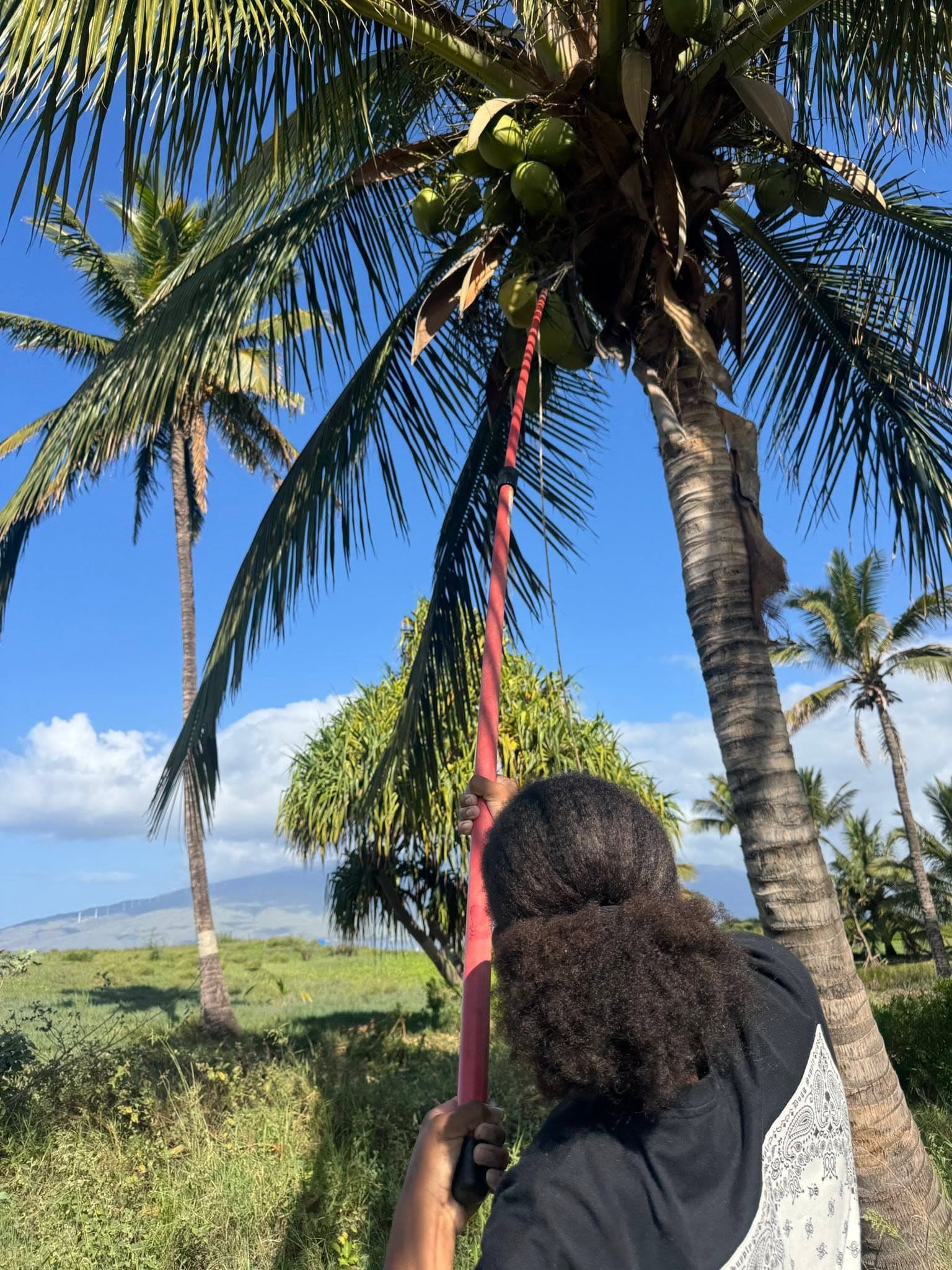
Passing the Net: Teaching the Next Generation of Net Throwers
Our spring workshop welcomed over 30 youth from local Kihei schools. Under the guidance of our cultural practitioners, students learned traditional net-throwing and species identification under the Kilo framework.
Read More: Passing the Net: Teaching the Next Generation of Net Throwers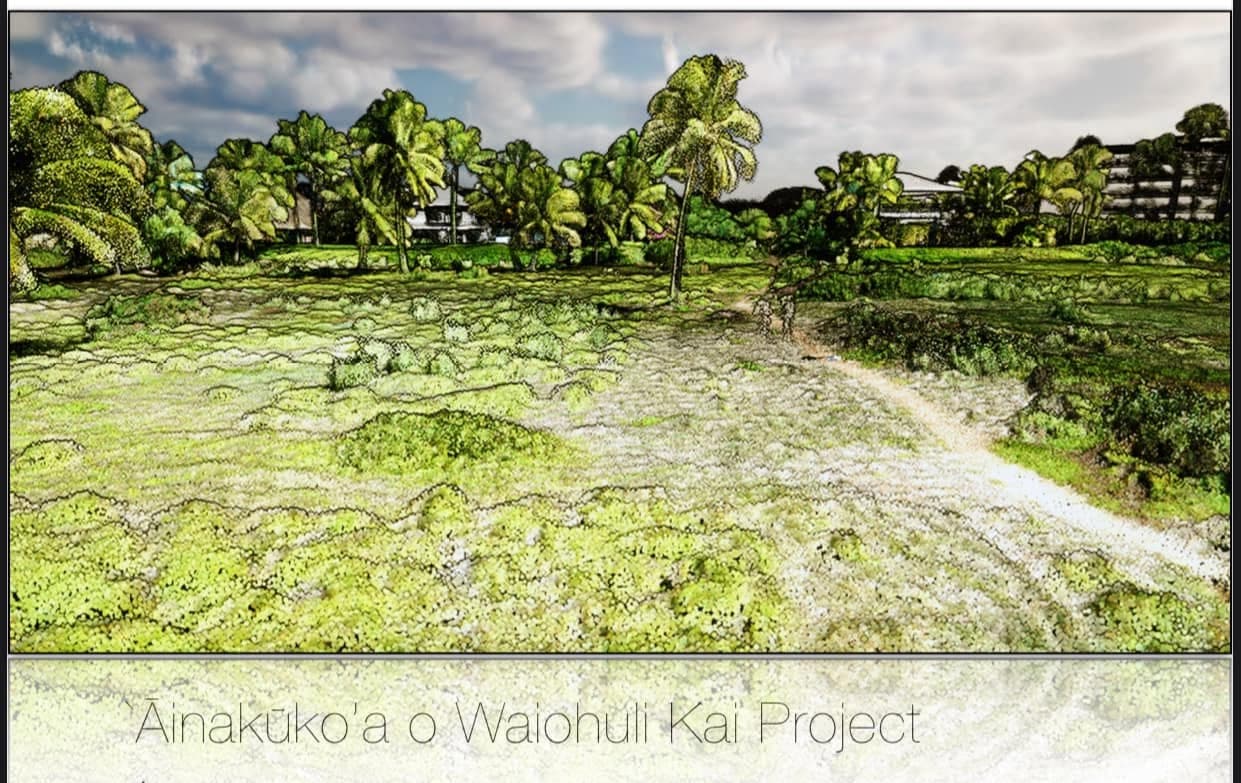
Analyzing LiDAR Data: Where the Water Settles
In partnership with Levity Creations, we finalized our high-precision LiDAR data overlays for Waipuilani, mapping the natural muliwai expansion pathway.
Read More: Analyzing LiDAR Data: Where the Water SettlesA Future of Abundance, Resilience & Stewardship
1–5 Years
- Stabilize dunes & wetlands
- Remove invasive species
- Map water pathways
- Build partnerships
5–20 Years
- Functional land-to-sea corridor
- Improved water quality
- Reestablished limu habitats
- Strengthened loko iʻa connections
20–100 Years
- Self-sustaining watershed-to-reef system
- Thriving coral, limu & fisheries
- Food systems return
- Stewardship across generations
Generations of care. For a living system that thrives.
This work is possible because of people like you.
Volunteer
Lend a hand on the land and in the community.
Events
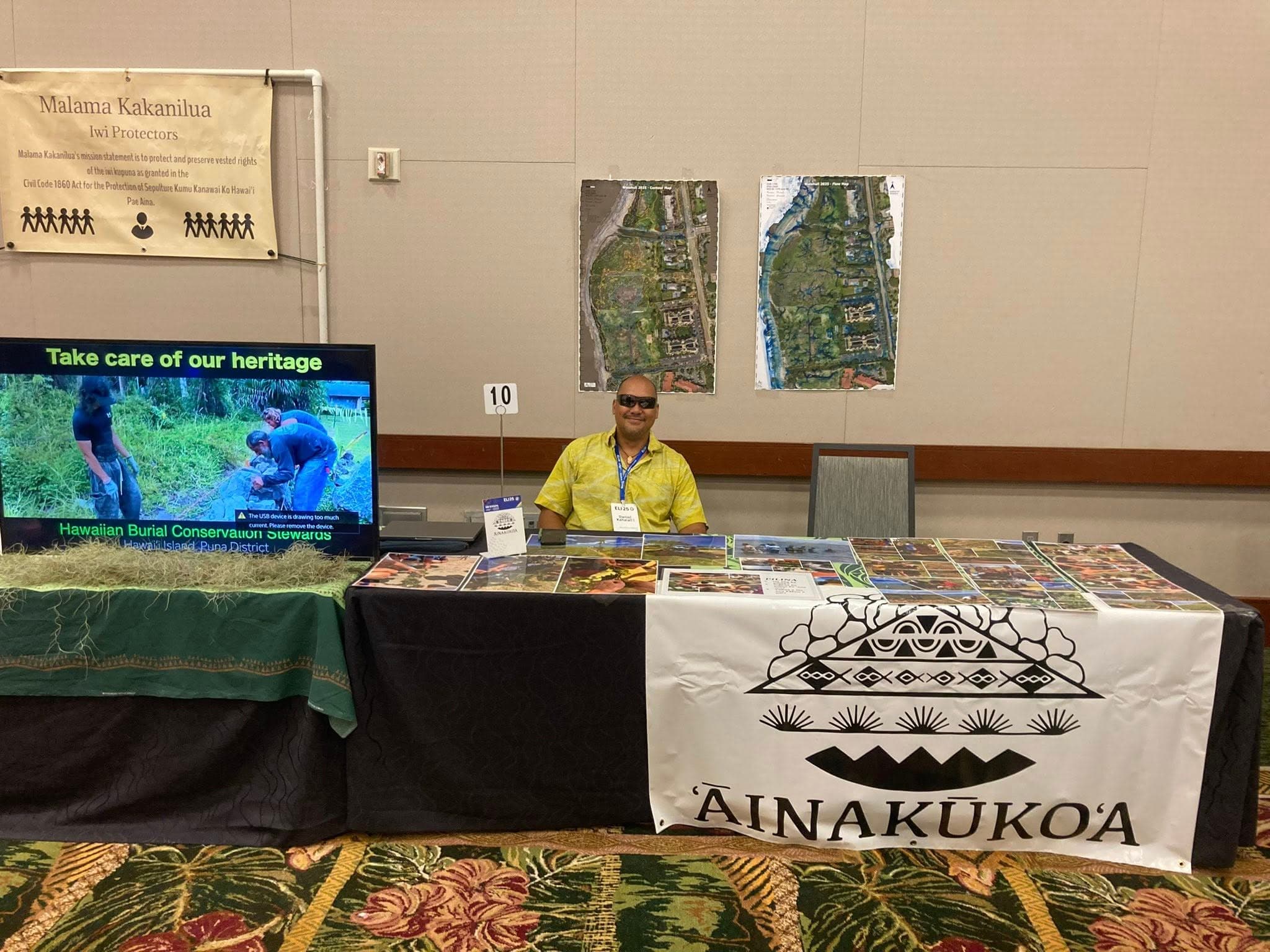
Join workshops, tours, and community days.
Partner
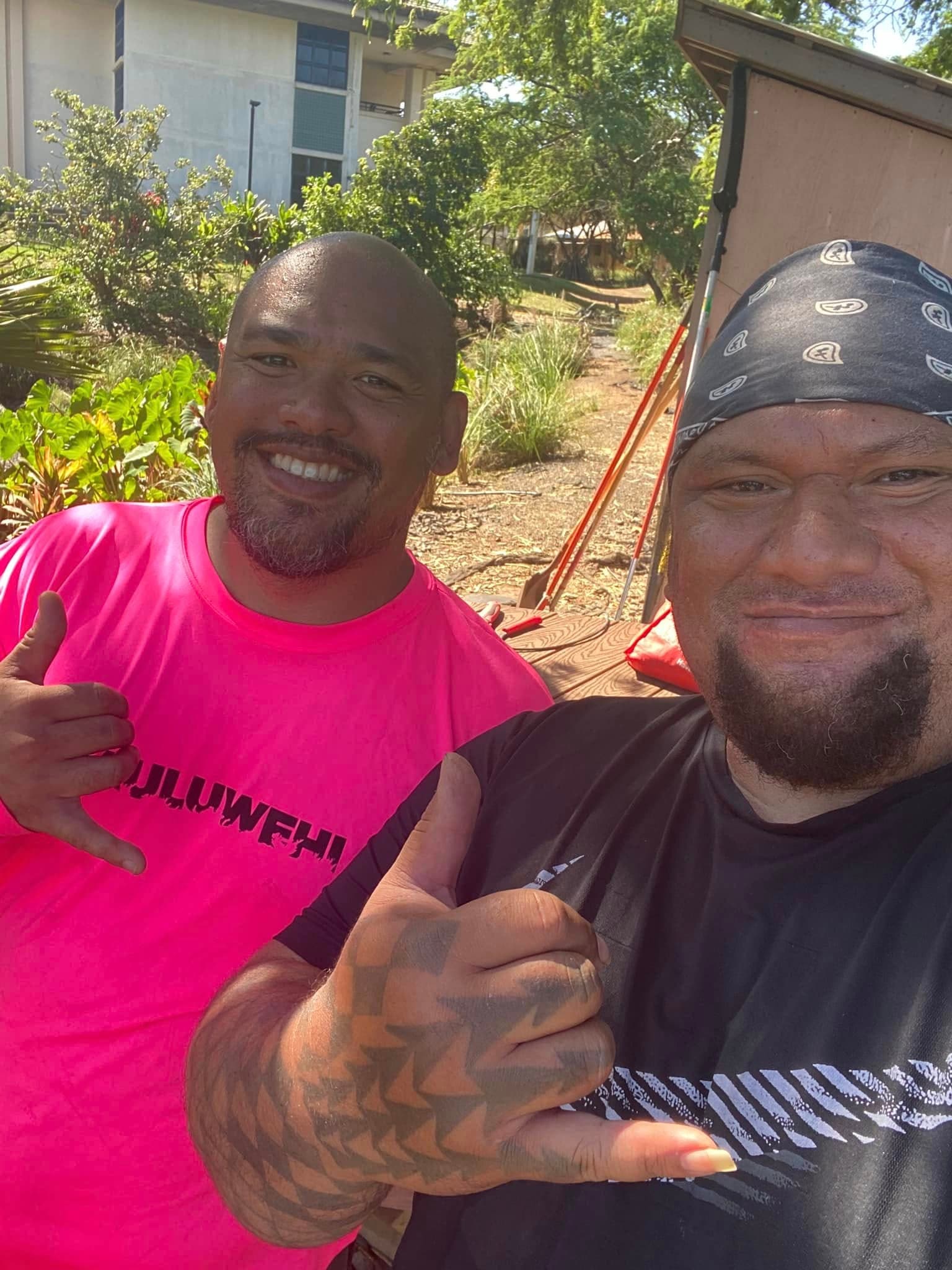
Work together to heal our shared home.
Support
Your support fuels restoration for generations.
Support Our Living Systems
Your support directly sustains native wetland restoration, educational youth workshops, traditional cultural practices, and long-term scientific observation across Maui's connected lands and waters.
Stay Connected
Join our email list for workshops, volunteer days, and seasonal observations.